
Does Your Rigger Have a Machine Shop?
Fixing Trucks and Forklifts, Building for Customers
By Igor Chudov, owner, Chicago Machinery Movers, Berkeley, Illinois.
Rigging is a business of moving physical objects using heavy equipment, such as trucks, cranes, and forklifts. When moving machinery, and especially scrapping machinery, riggers' equipment is pushed to its limit. Machinery movers are notorious for using old equipment, for good economic reasons: old equipment costs less to purchase, and is usually simpler to use and maintain, but needs more maintenance than brand-new stuff. Brand-new equipment has its own problems: it also breaks, often due to "value engineering", and when new equipment breaks, its repair is out of reach of typical shop maintenance mechanics. Anyone who claims that "their equipment never breaks," is making stuff up.
The physical work of moving, loading and unloading heavy objects, necessitates making or changing numerous structures like ramps, platforms, custom lift aides, and so on. Customers frequently need custom structures to mount some of their machinery, for example elevated platforms for process equipment and tanks. The ability to meet all these demands at an affordable cost is defined by the rigging company having a "machine shop" and people able to use it. Chicago Machinery Movers has an excellent machine shop allowing for repairing, making, and modifying our equipment, as well as to help our customers with certain customization needs.
The loading ramp platform
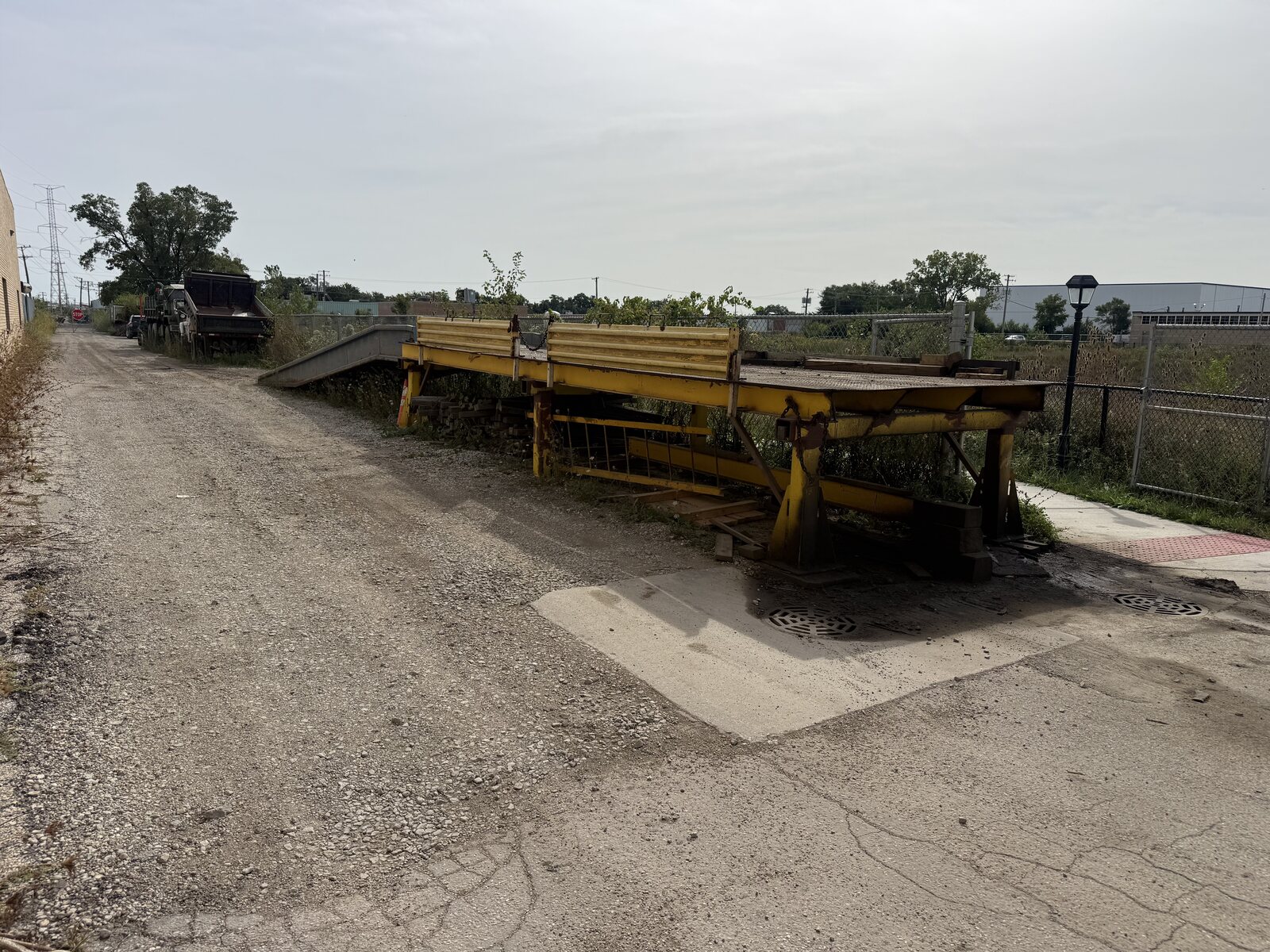
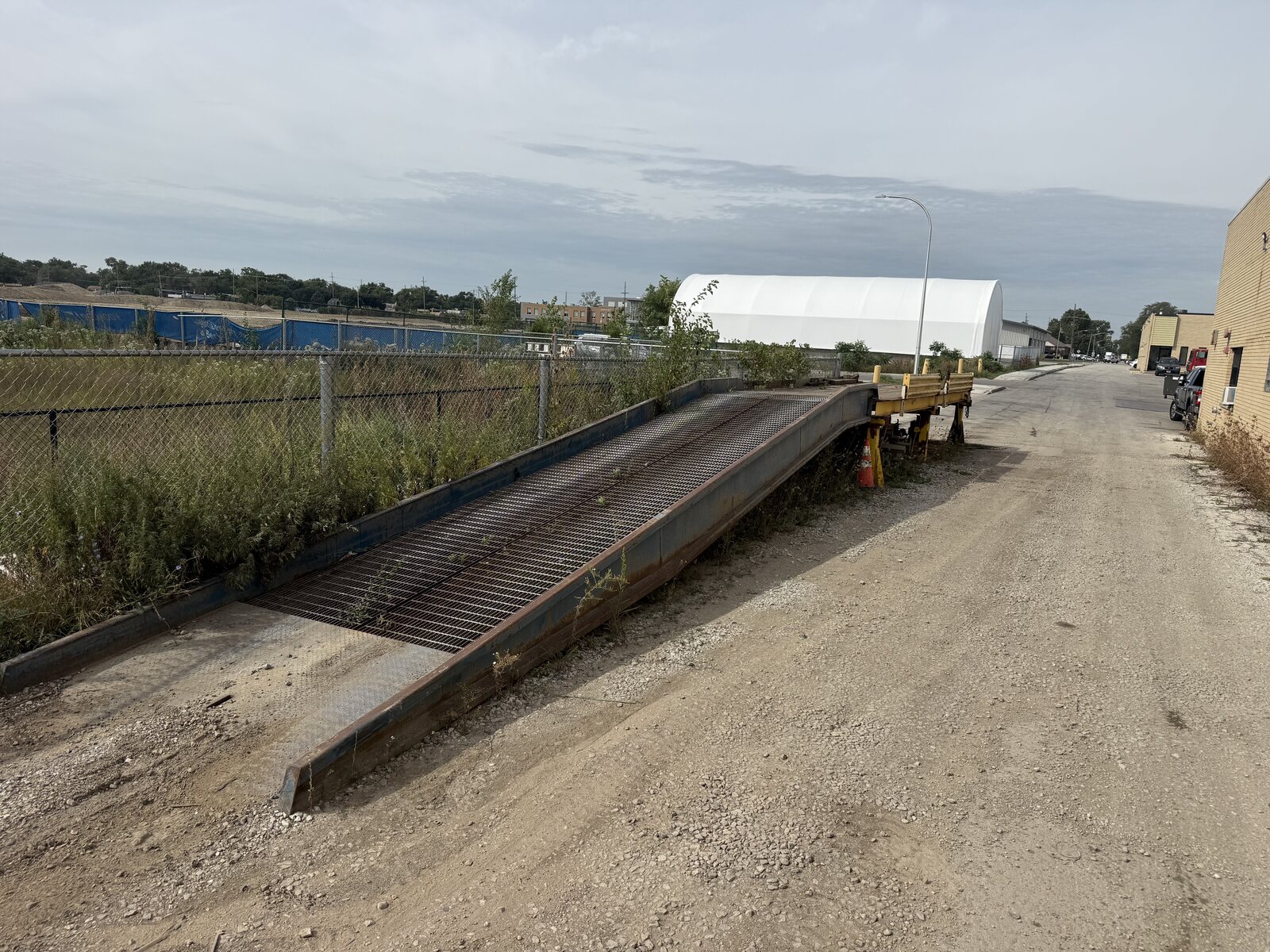
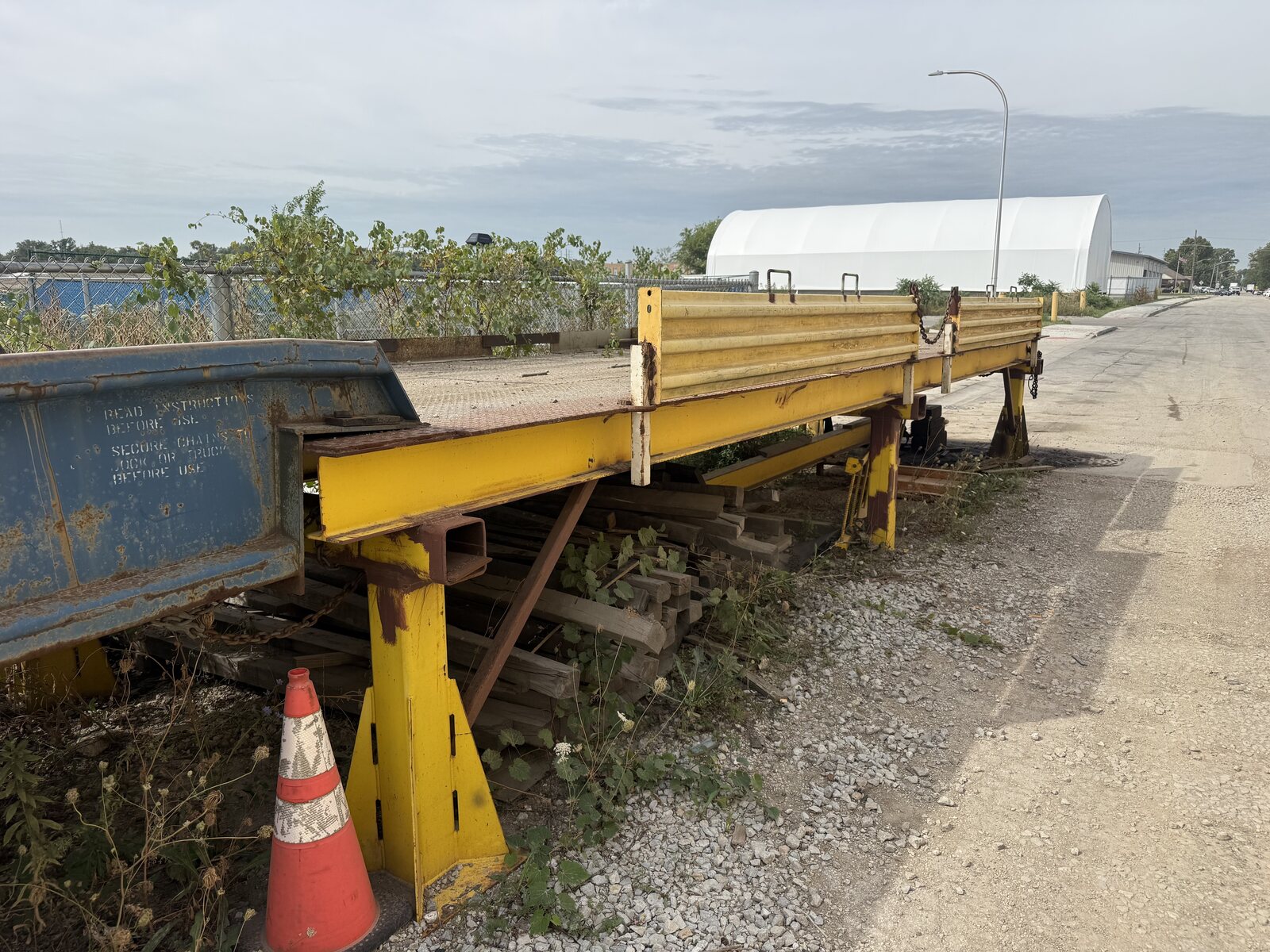
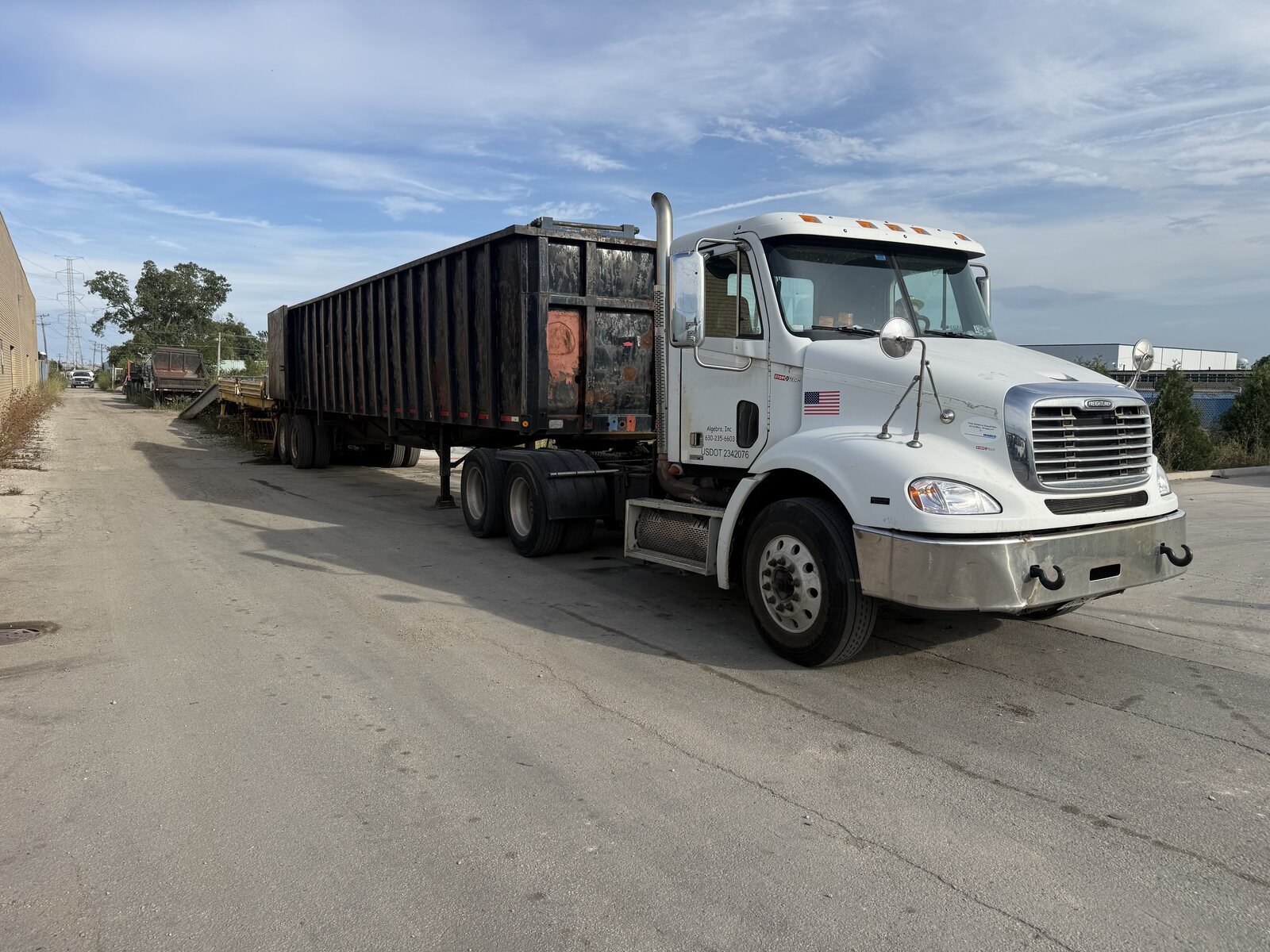
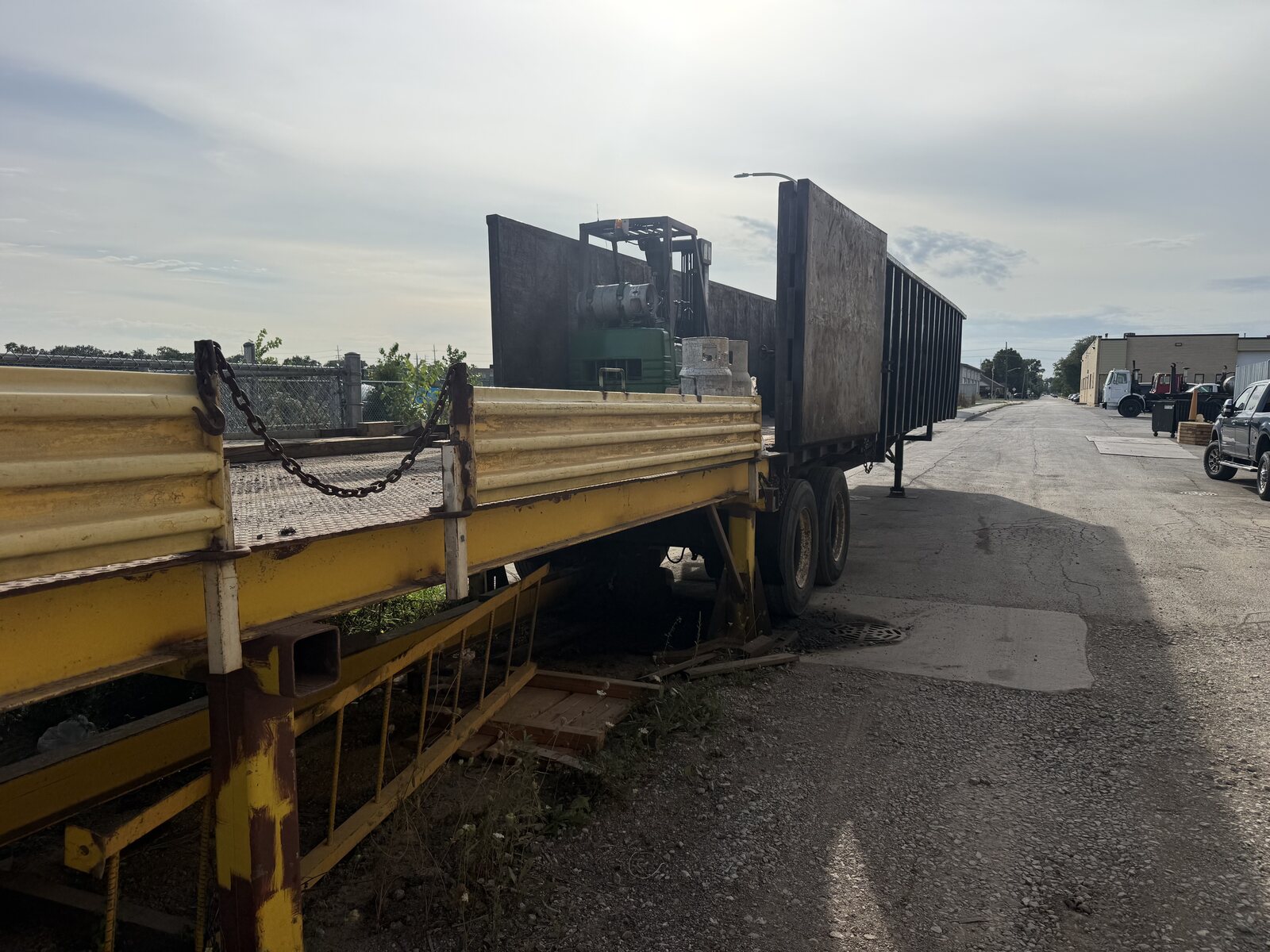
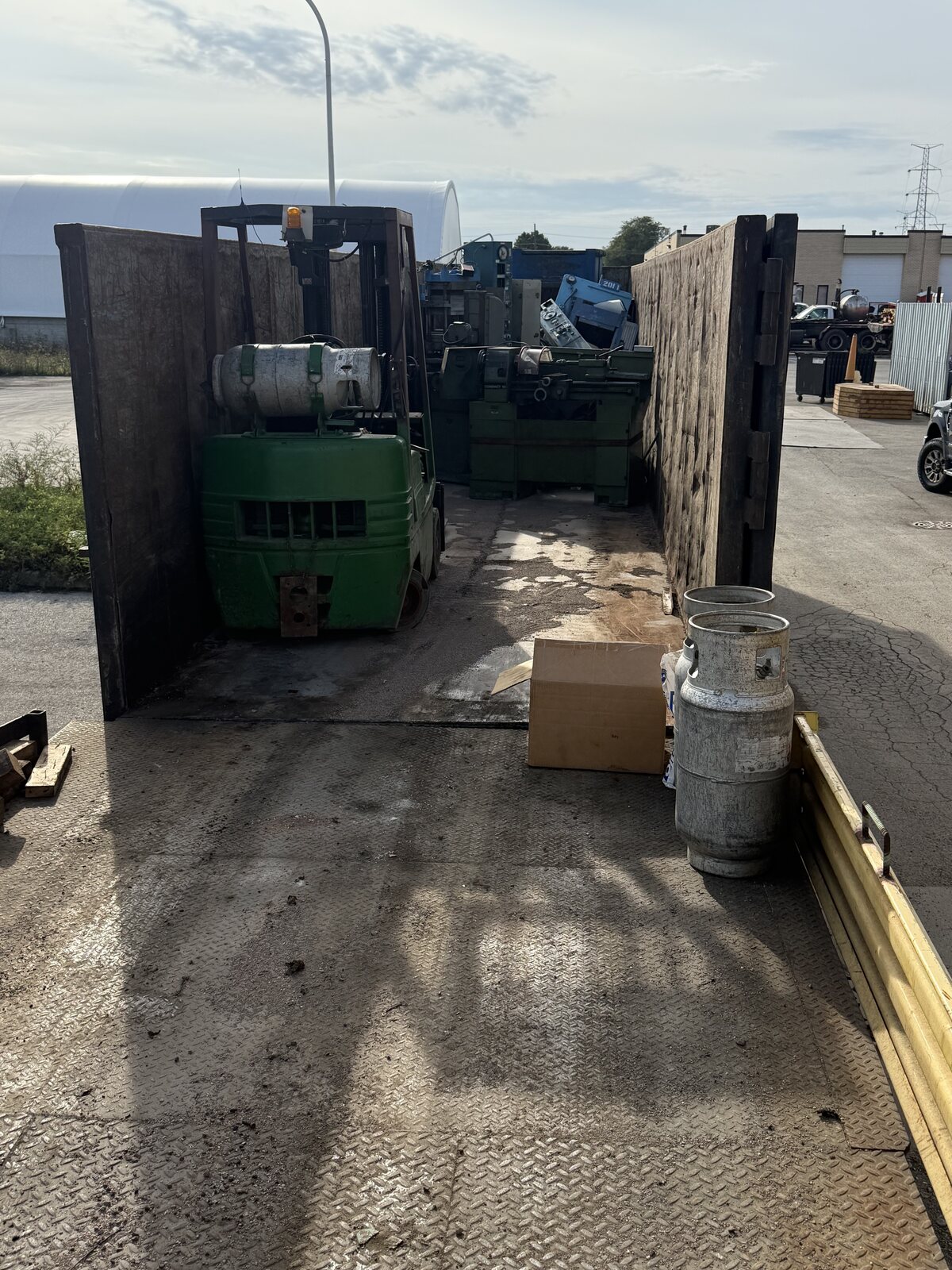
This blue portable ramp connected to the yellow platform provides a perfect example of how having a small machine and fabrication shop helps us serve new market segments while doing our work more easily, efficiently and safely. The building that I have at 5250 McDermott Dr in Berkeley, IL is extremely nice, except that it does not have elevated docks. And yet, we often need to load or unload full-height trailers from the rear. Examples are:
- Container Loading and Unloading
- Loading scrap into gondola semi trailers
- Dry Van work
Many businesses in our position would use the ramp only, which is
extremely unsafe and inconvenient for anything but simple pallets,
due to approach angle, steep ramp angle, and the risk of hitting the
roof of the container right after climbing the ramp. They do not
have platforms, because those are expensive and hard to come by.
Since we have a decent shop, we made a platform, from the material we had saved up from our scrapping: the large 6 inch square tubes, I-beams, and various pieces of 1/2" diamond plate. We made sure that the platform has safety guards on the side, which are removable in case if we need to put something very long on the platform. It fits exactly what we need to do and would be very difficult to buy new or used.
A box for the liquid oxygen tank
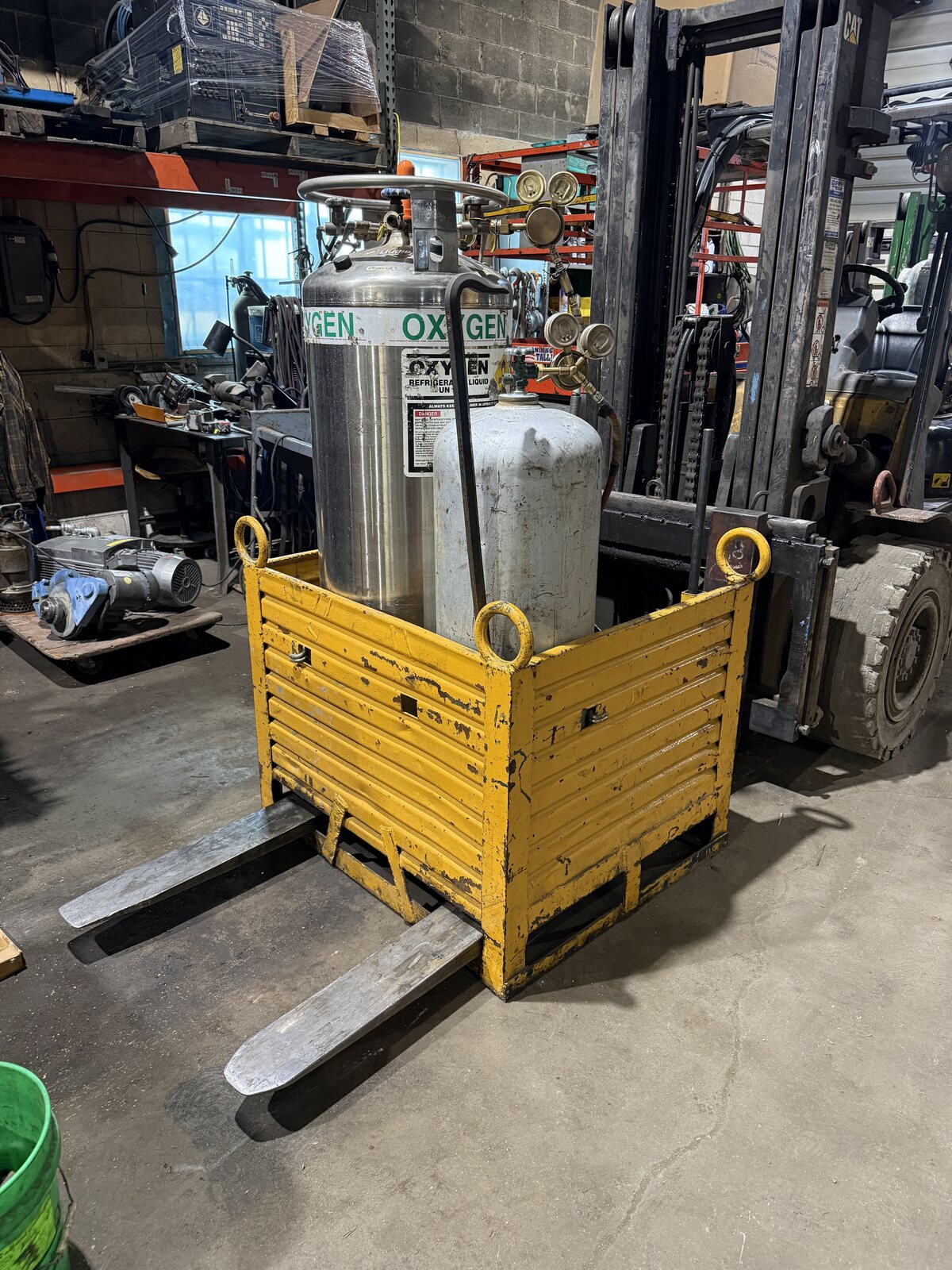
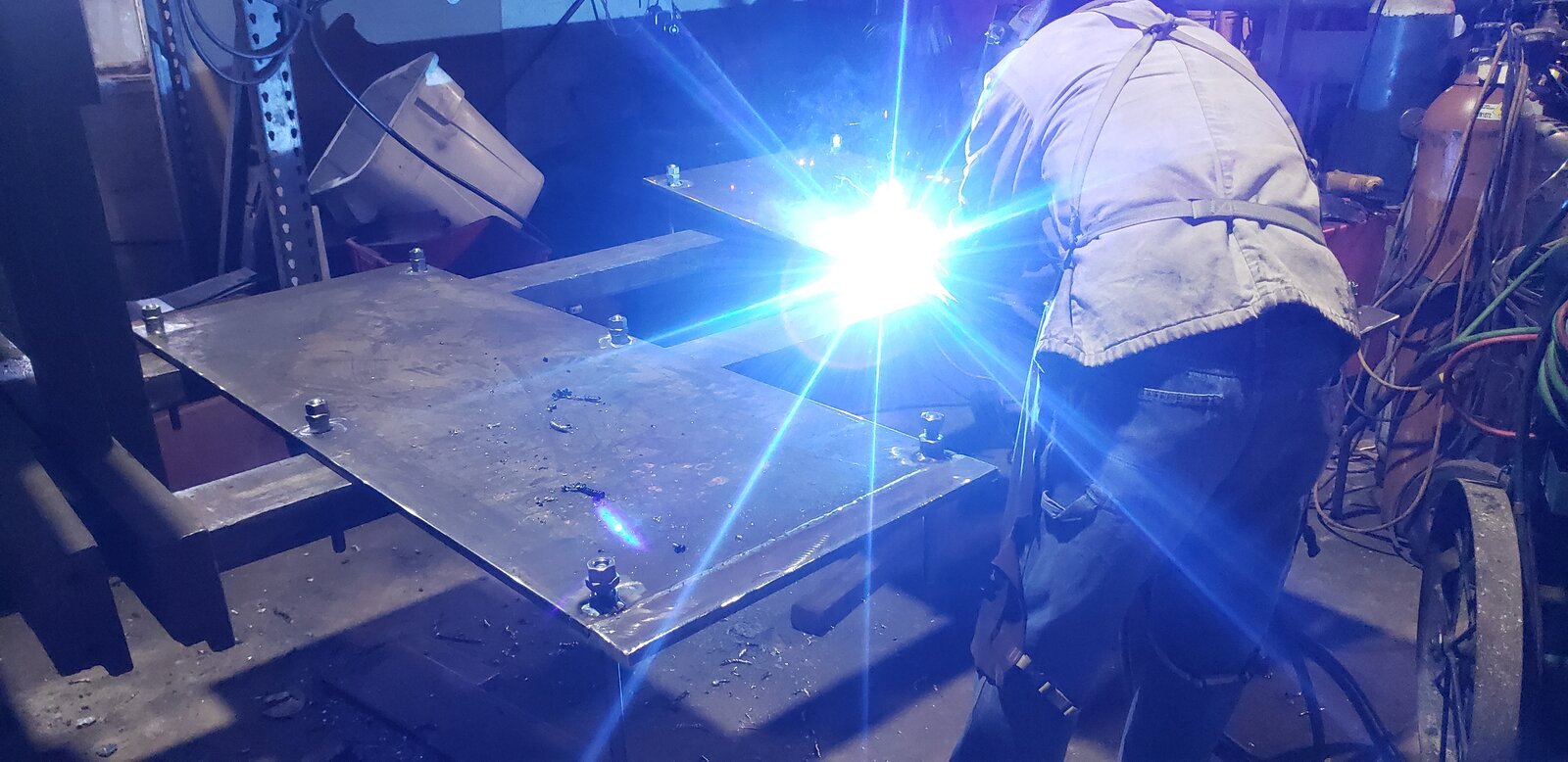
We use liquid oxygen for heavy cutting during scrap and demolition work, but it must be stored safely. It is not legal to allow a oxygen tank to simply stand on the floor, as it must be secured. So, we took a steel bin. Then we added forklift pockets on the bottom, allowing a forklift to pick up the box from both sides with no chances of it falling off the forks on bumpy terrain. We also added lifting rings to the box to allow craning it, as well as to secure it easily and safely with straps.
Three welders, and what I will and will not weld
We have a welding capability to weld just about anything: semi trailers, platforms, trailer D-rings, and any structures. We have a Syncrowave 250 stick/TIG welder, a Lincoln 250 amp MIG welder, and a Miller Bobcat propane welder. The latter, I bought for $100 on auction, when it has its "face" bashed in due to a fall from a truck. Despite that, the welder worked fine, and simply needed its face to be straightened out and a new bezel installed.
Note that we are not certified welders and will not take on jobs requiring certifications. We also do not do "trailer repairs" for outside customers. However, we routinely weld machine bases, walk platforms, and that sort of thing, ensuring excess of material and solid performance. As we have a good amount of secondary steel, we have a material cost advantage no welding shop can beat.
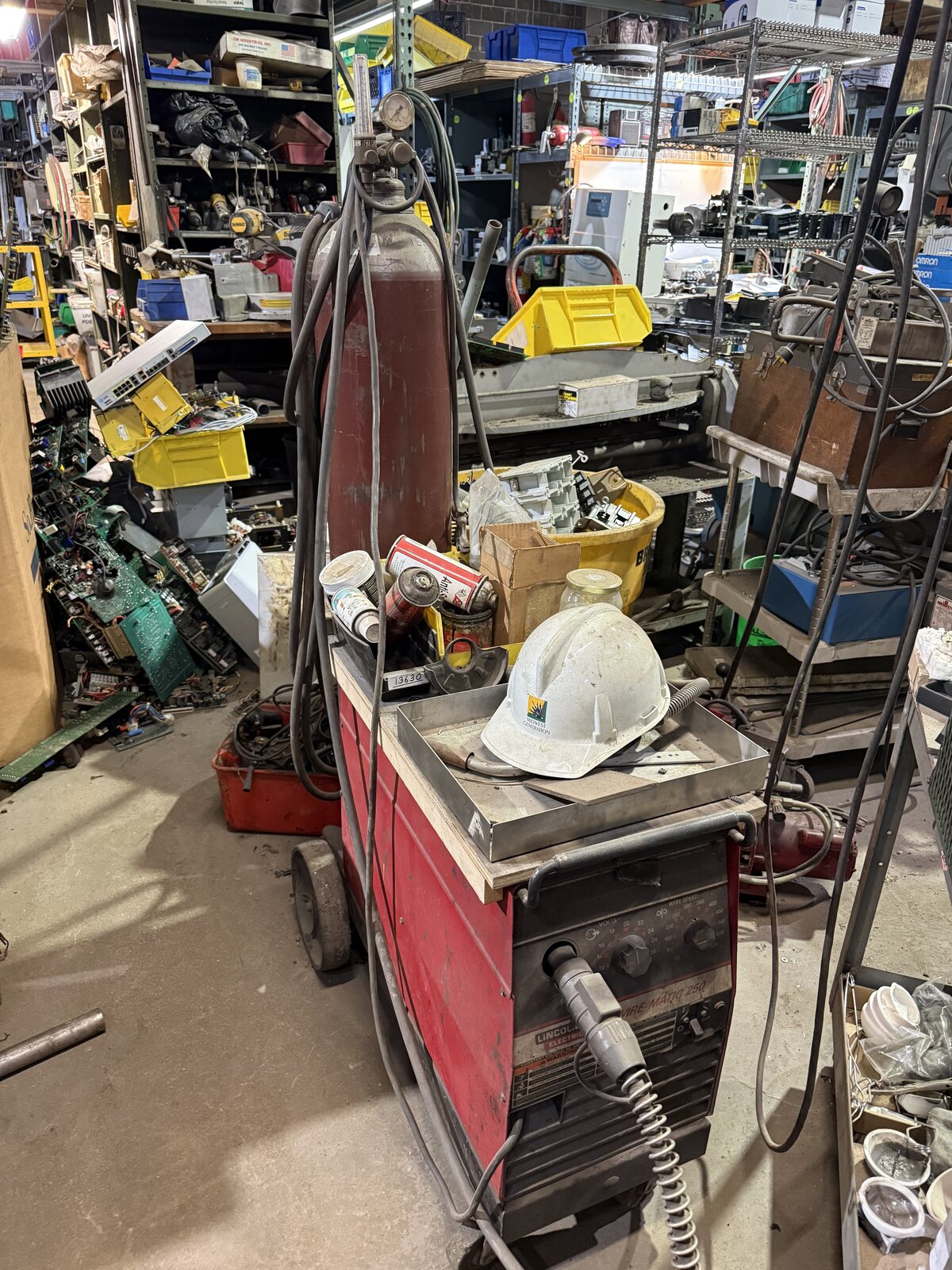
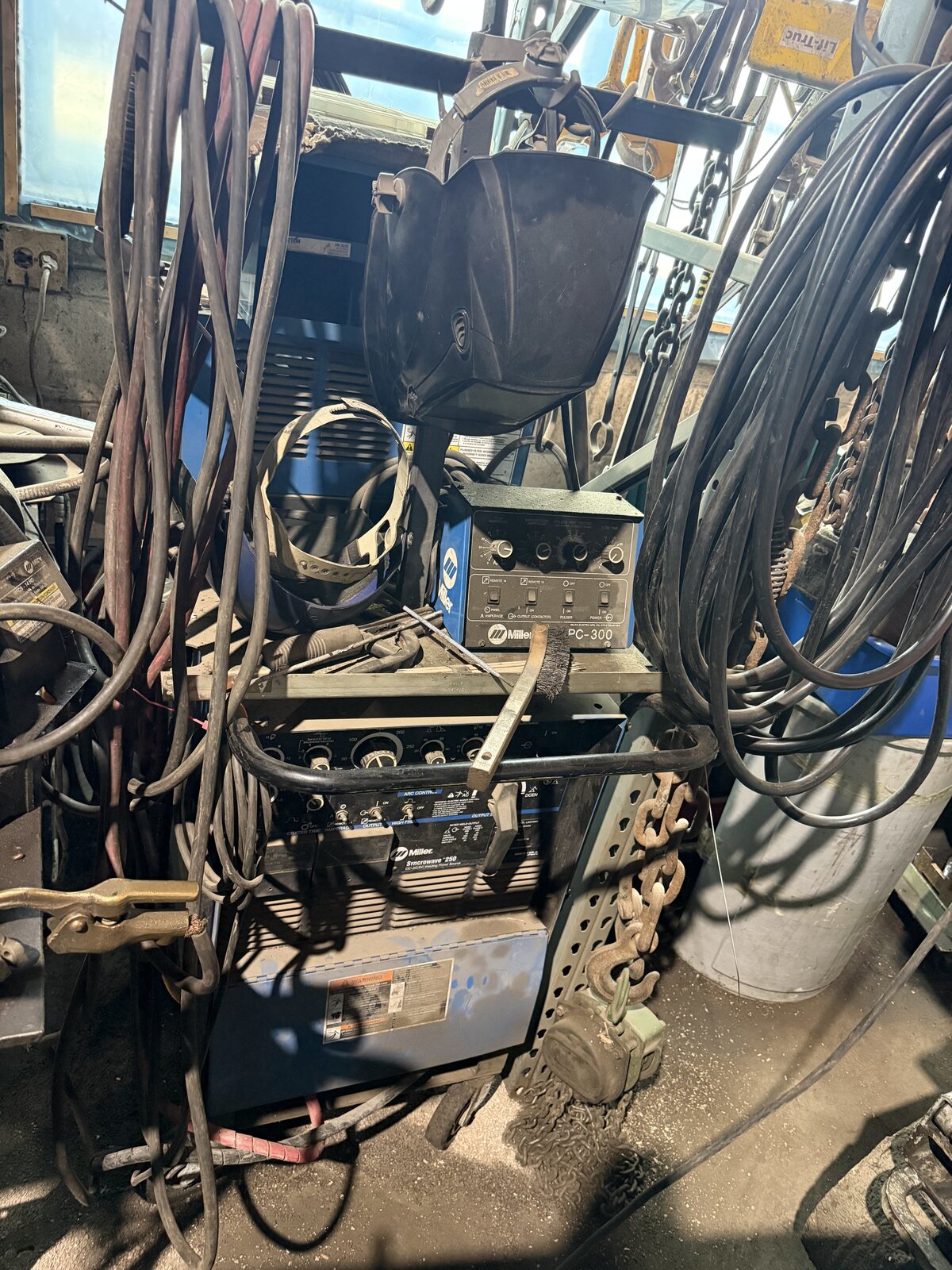
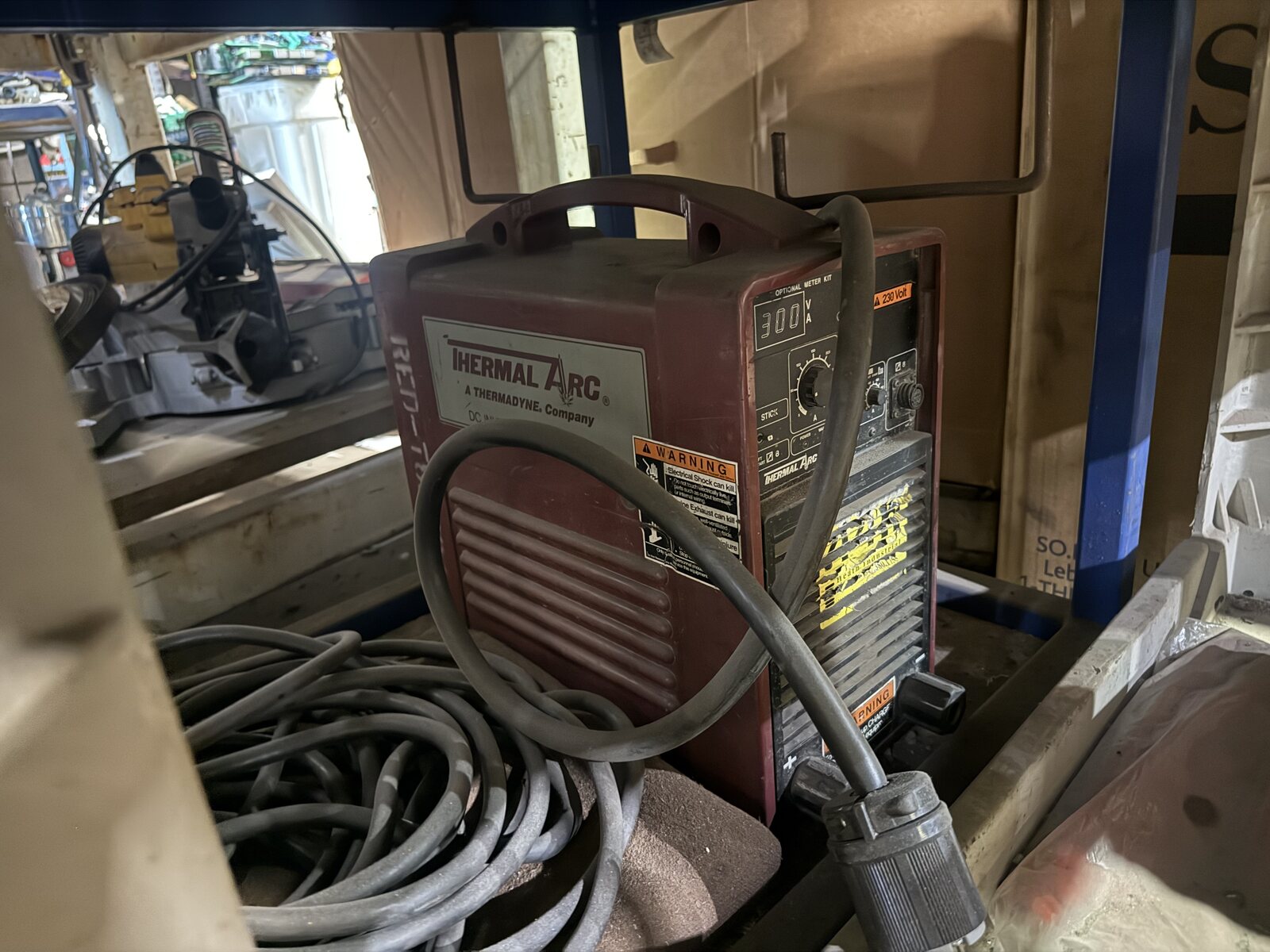
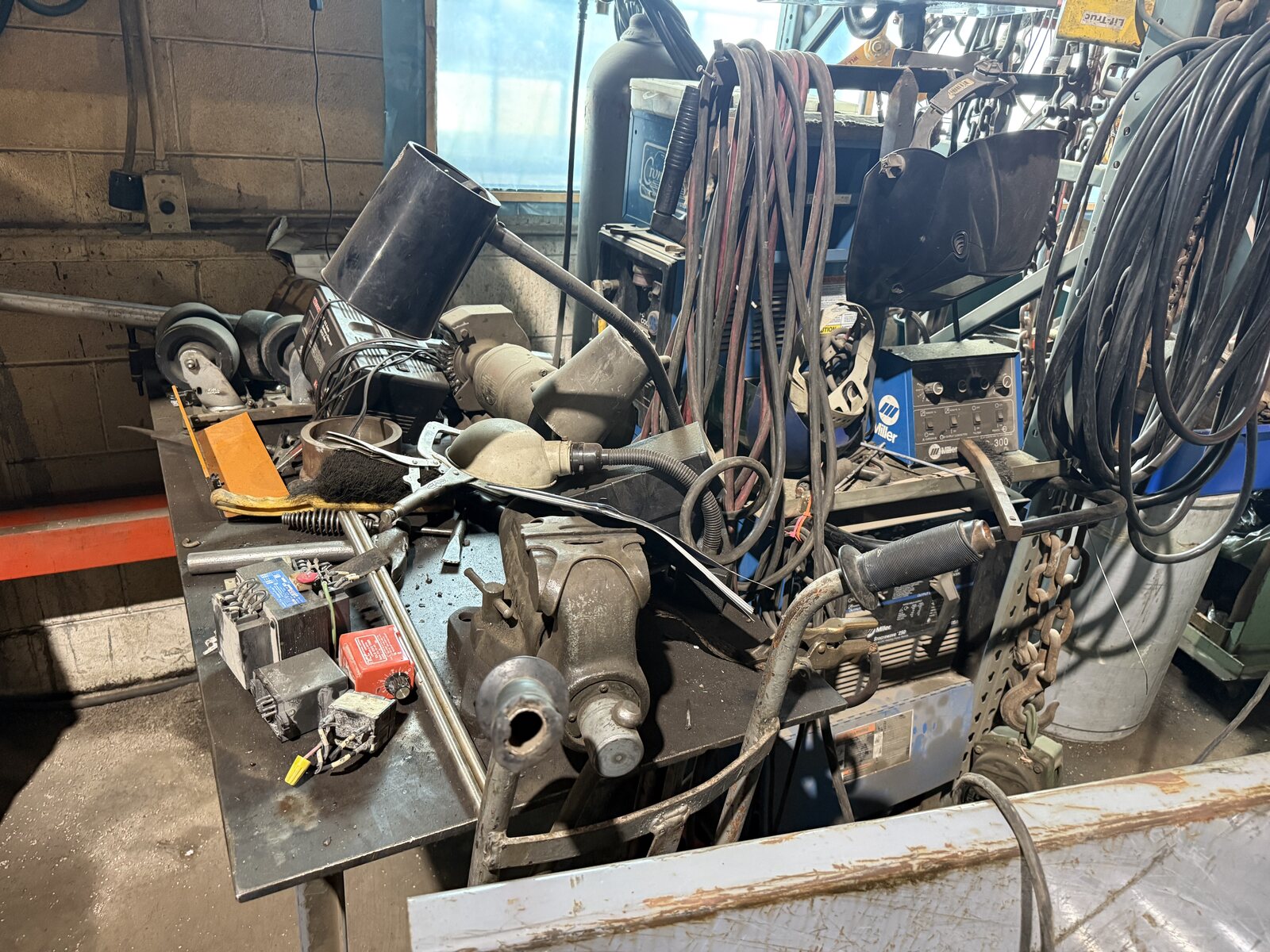
Welding on site
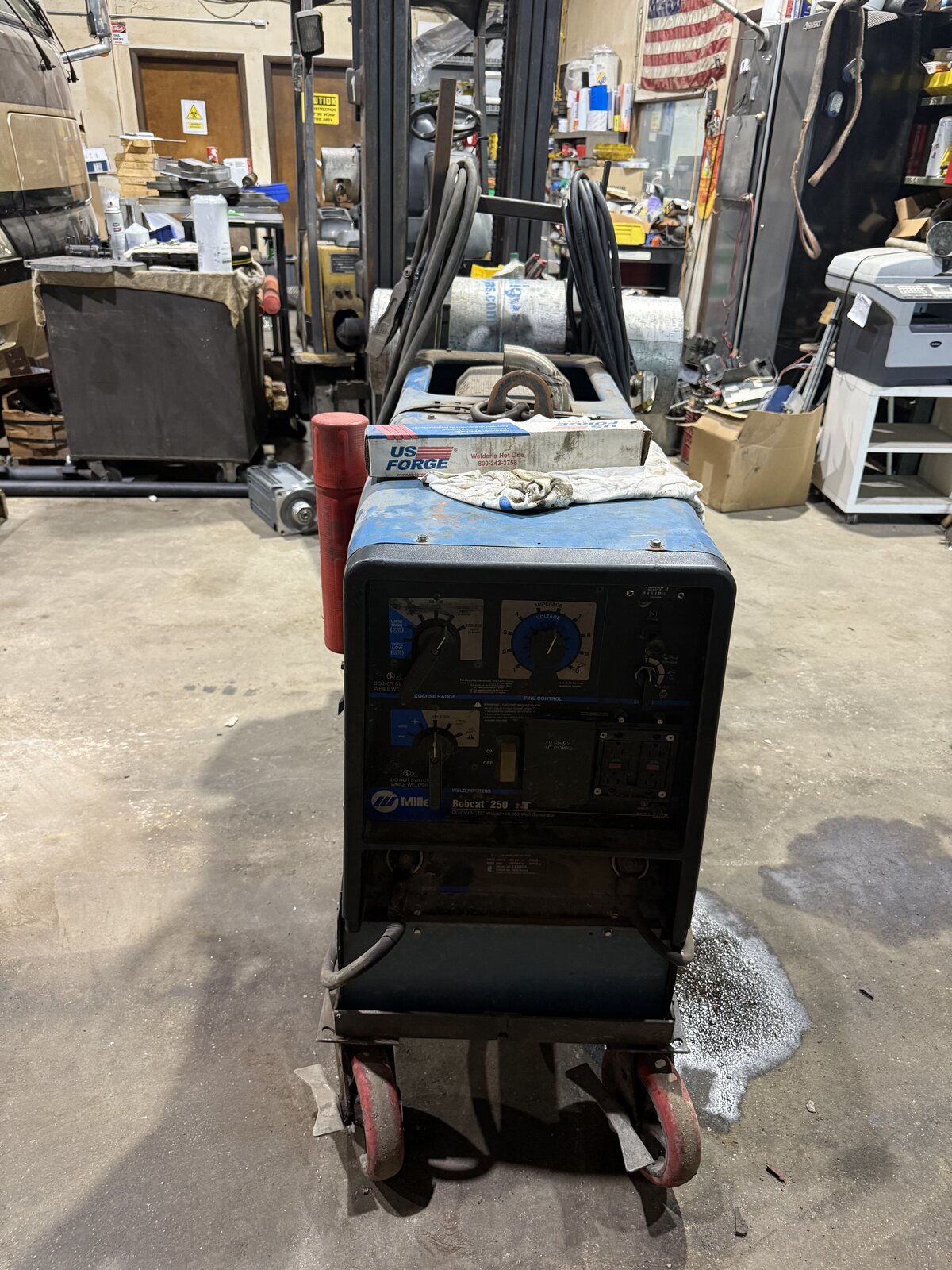
The portable propane welder Miller Bobcat 250, is an engine-driven welder. We can take it to a customer site to weld or repair something. We always keep it in good condition with regular preventative maintenance.
The rest of the shop
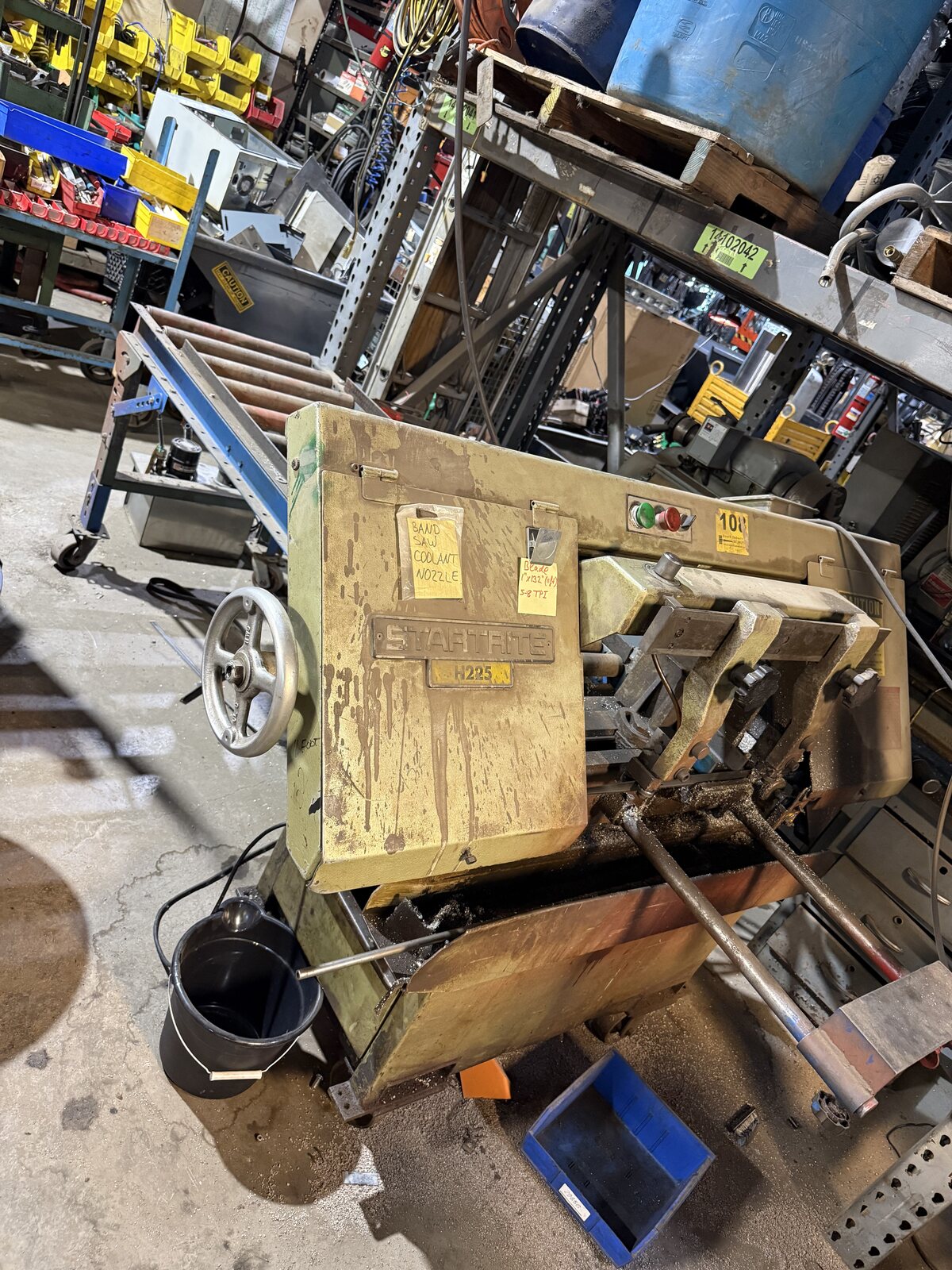
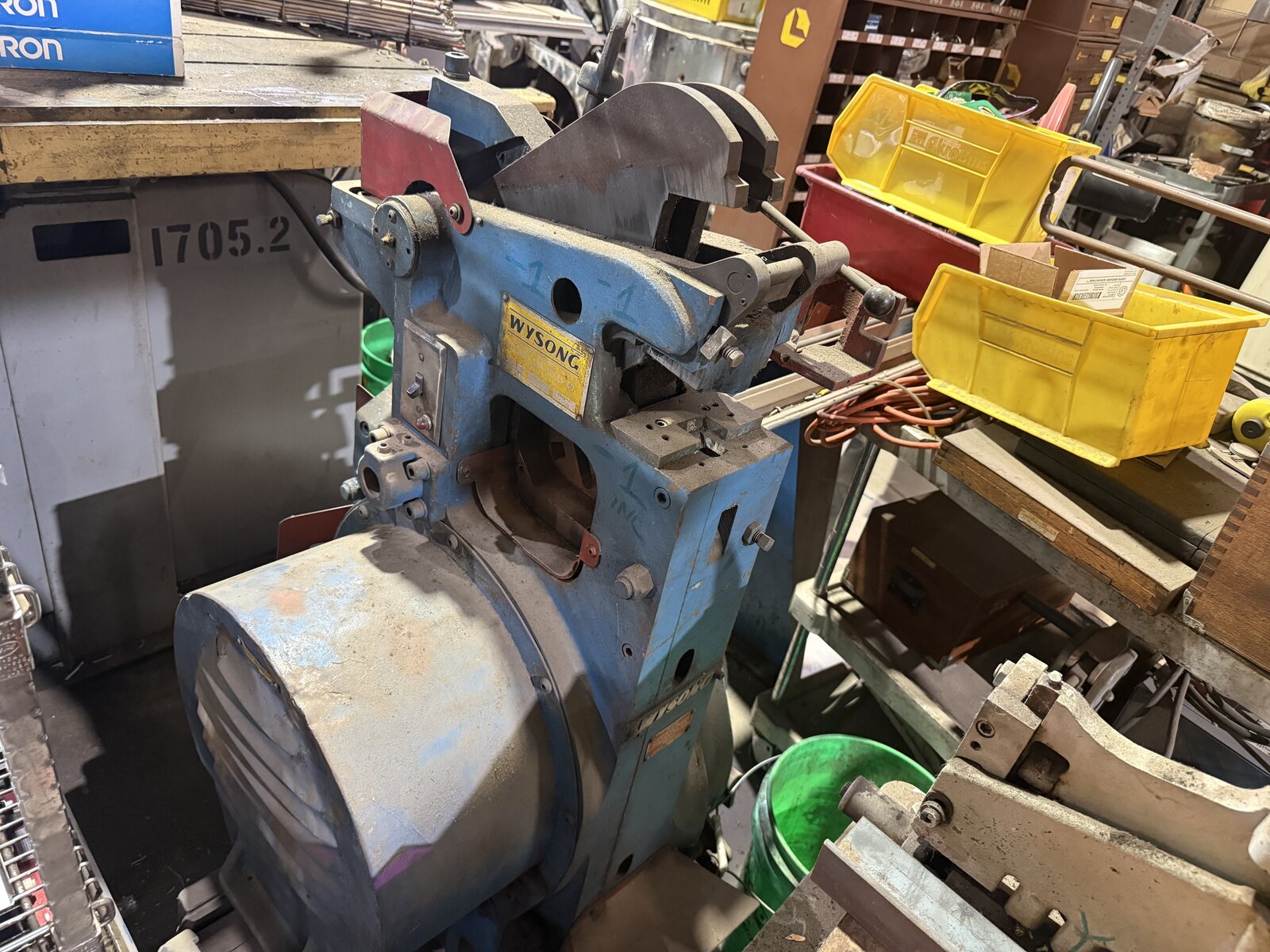
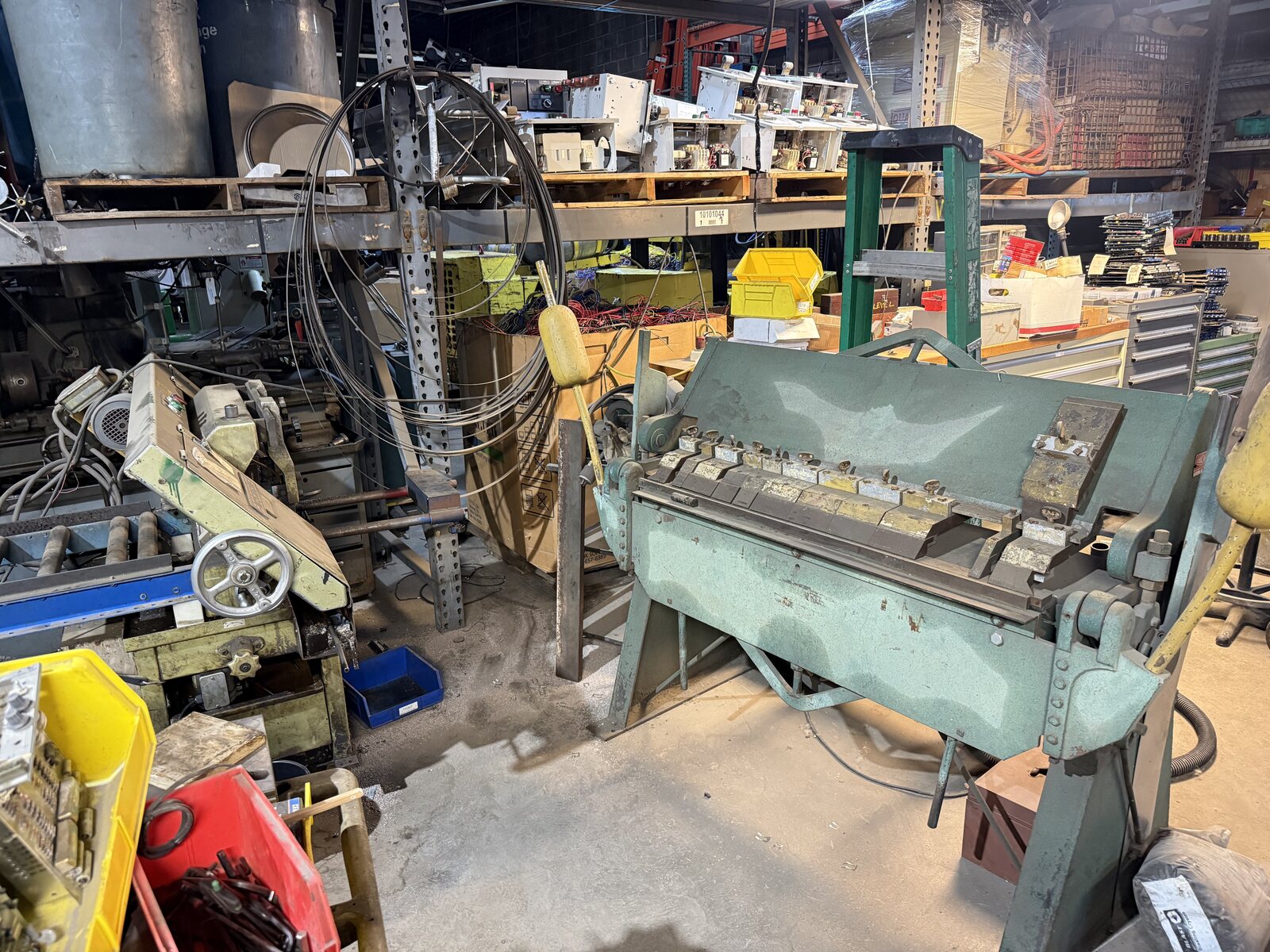
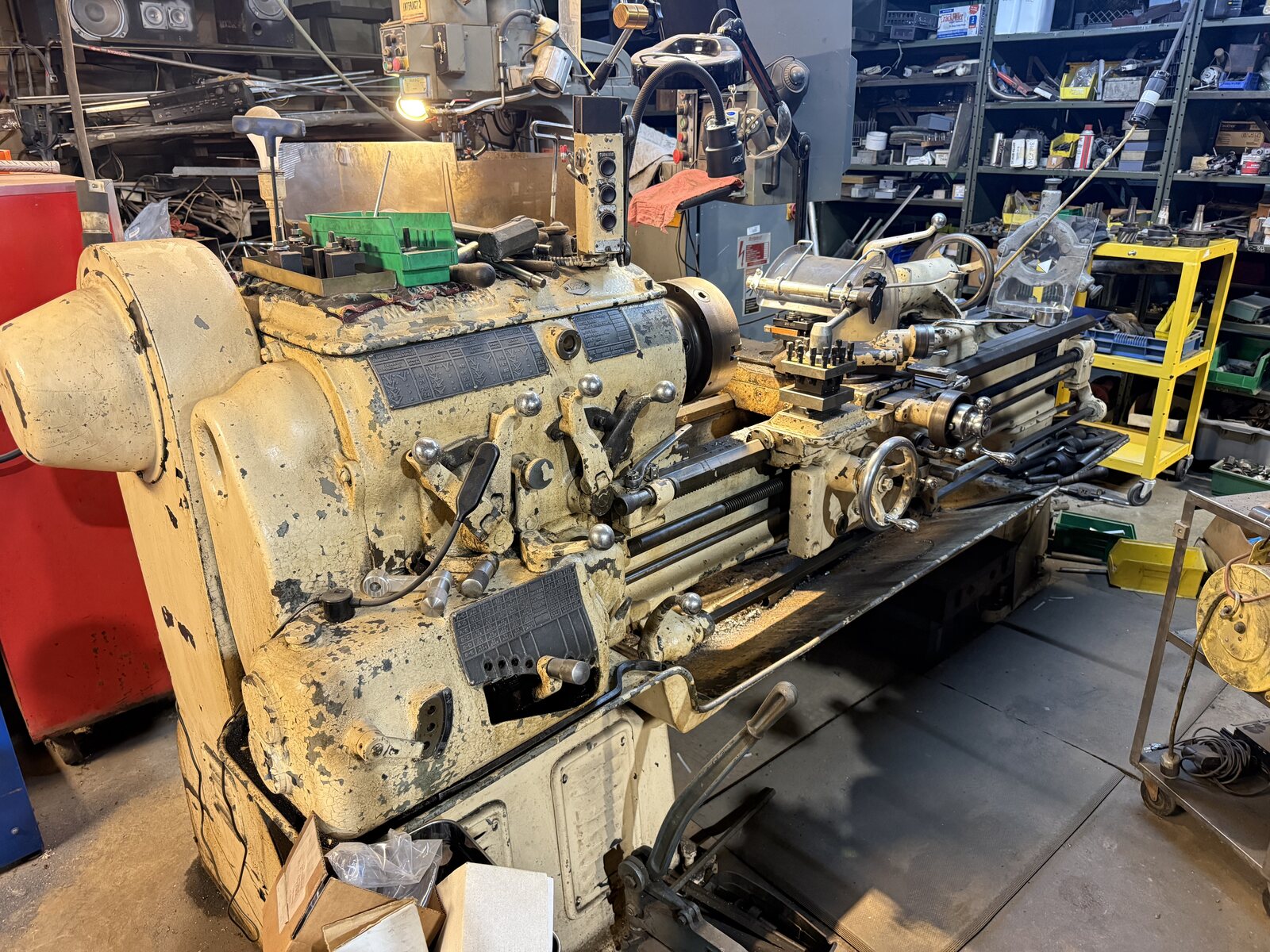
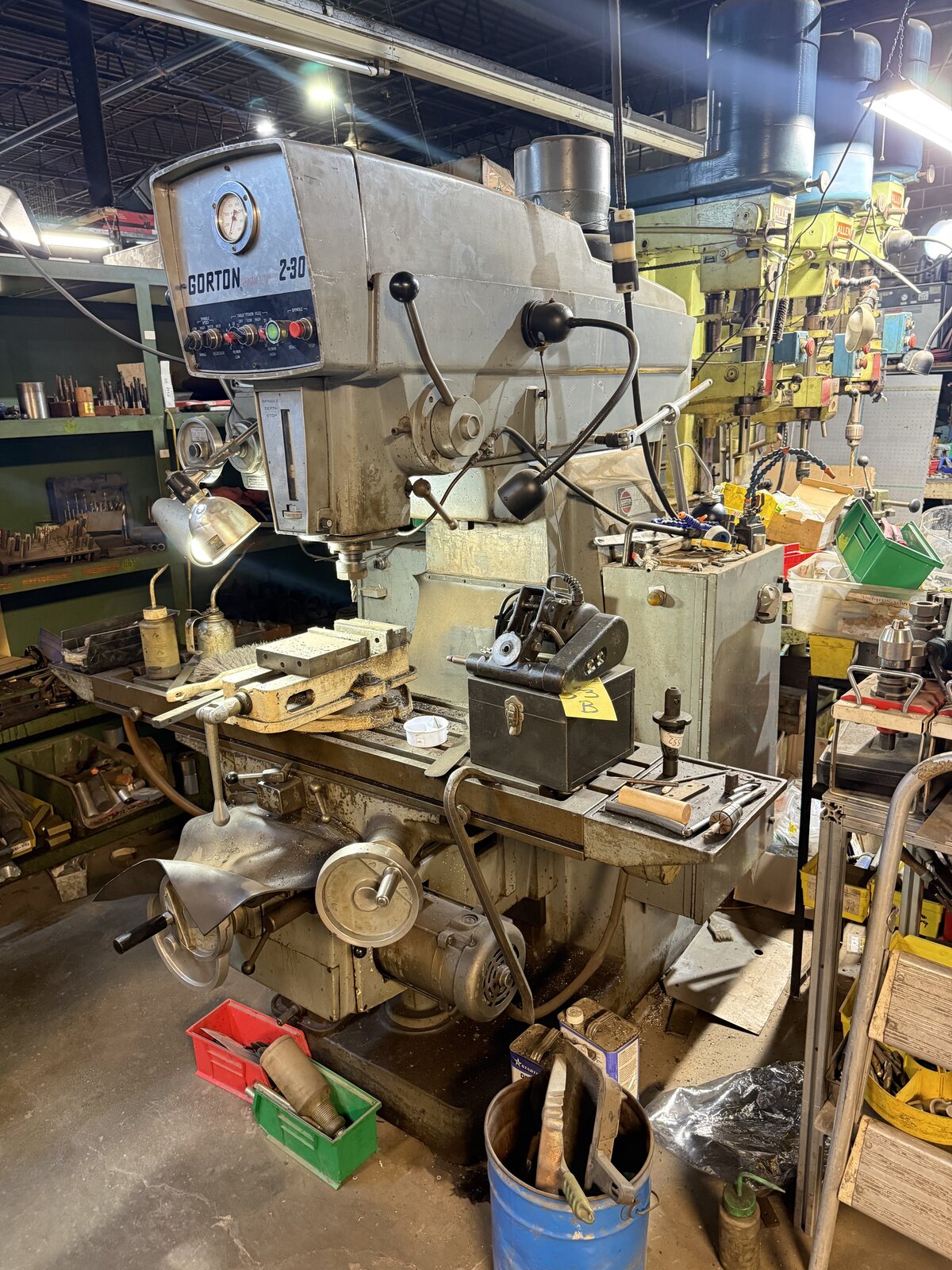
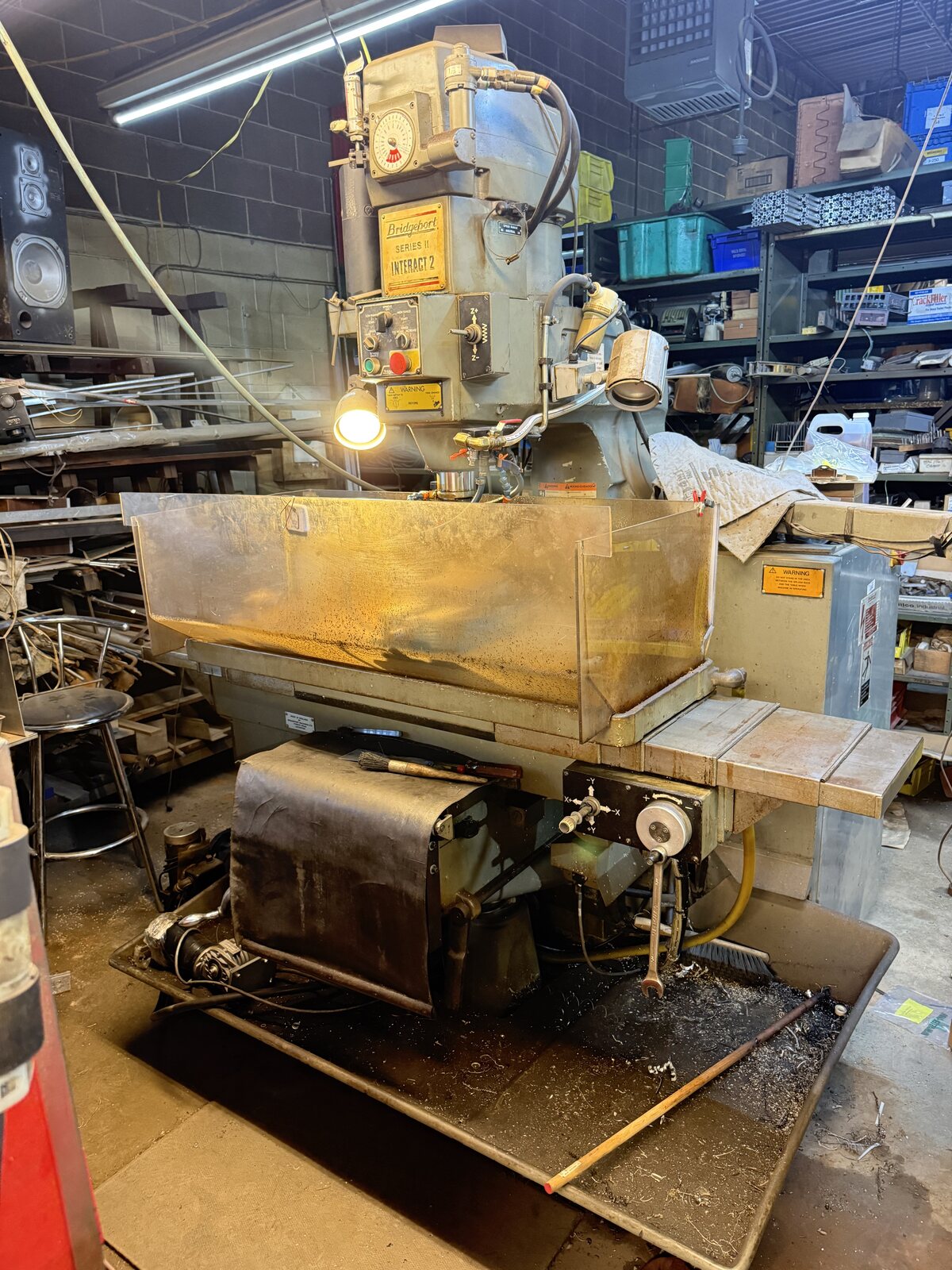
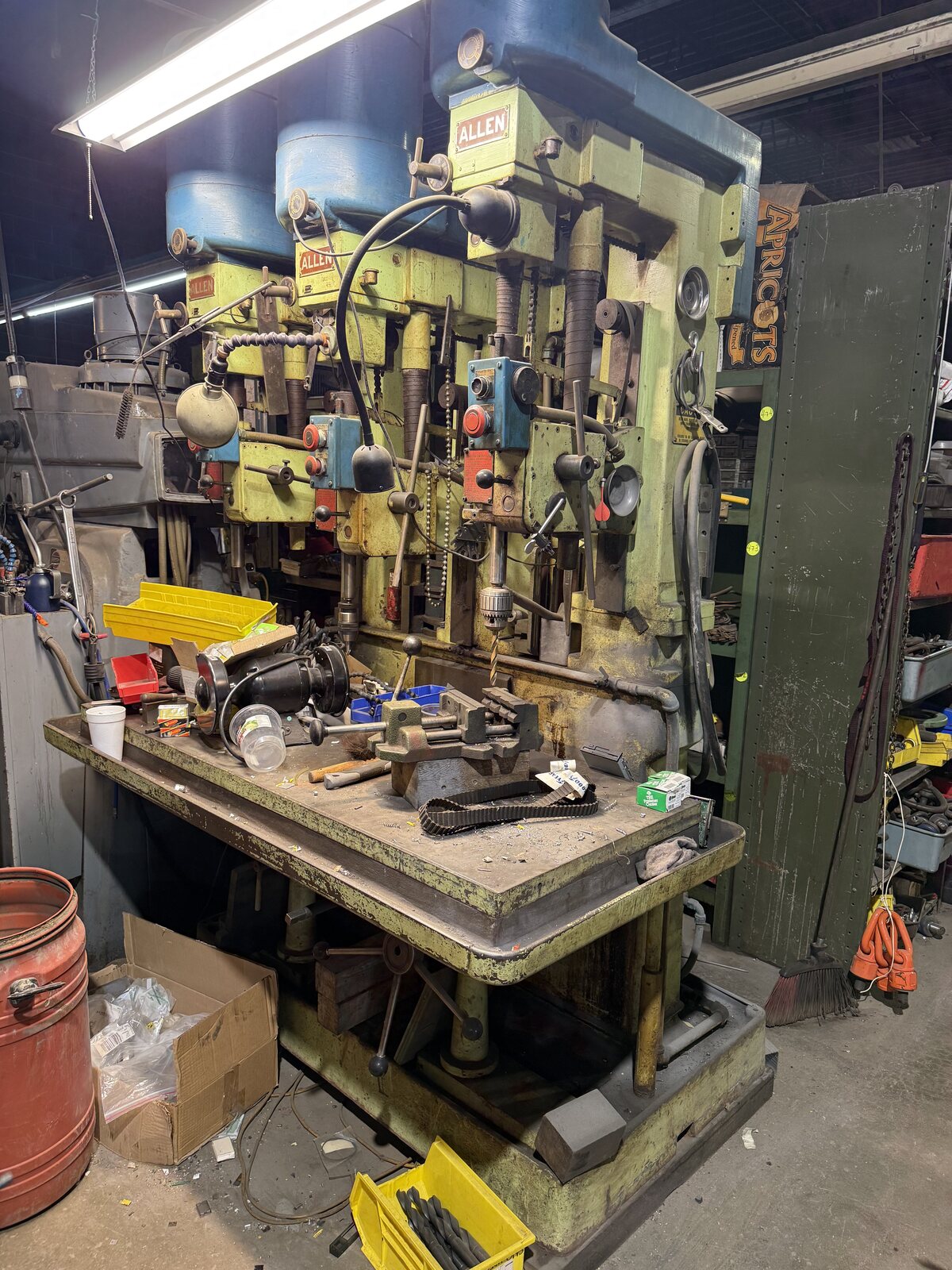
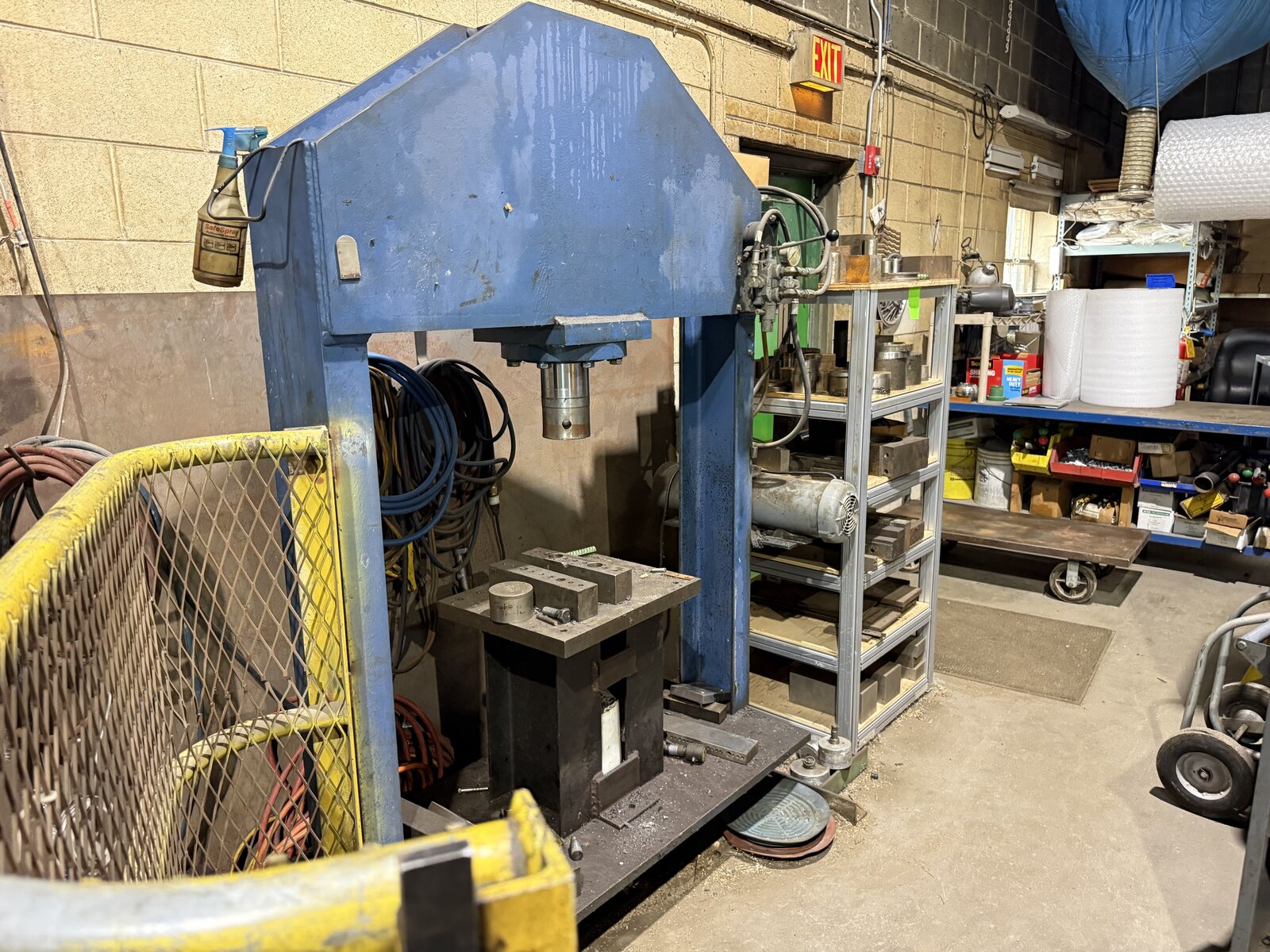
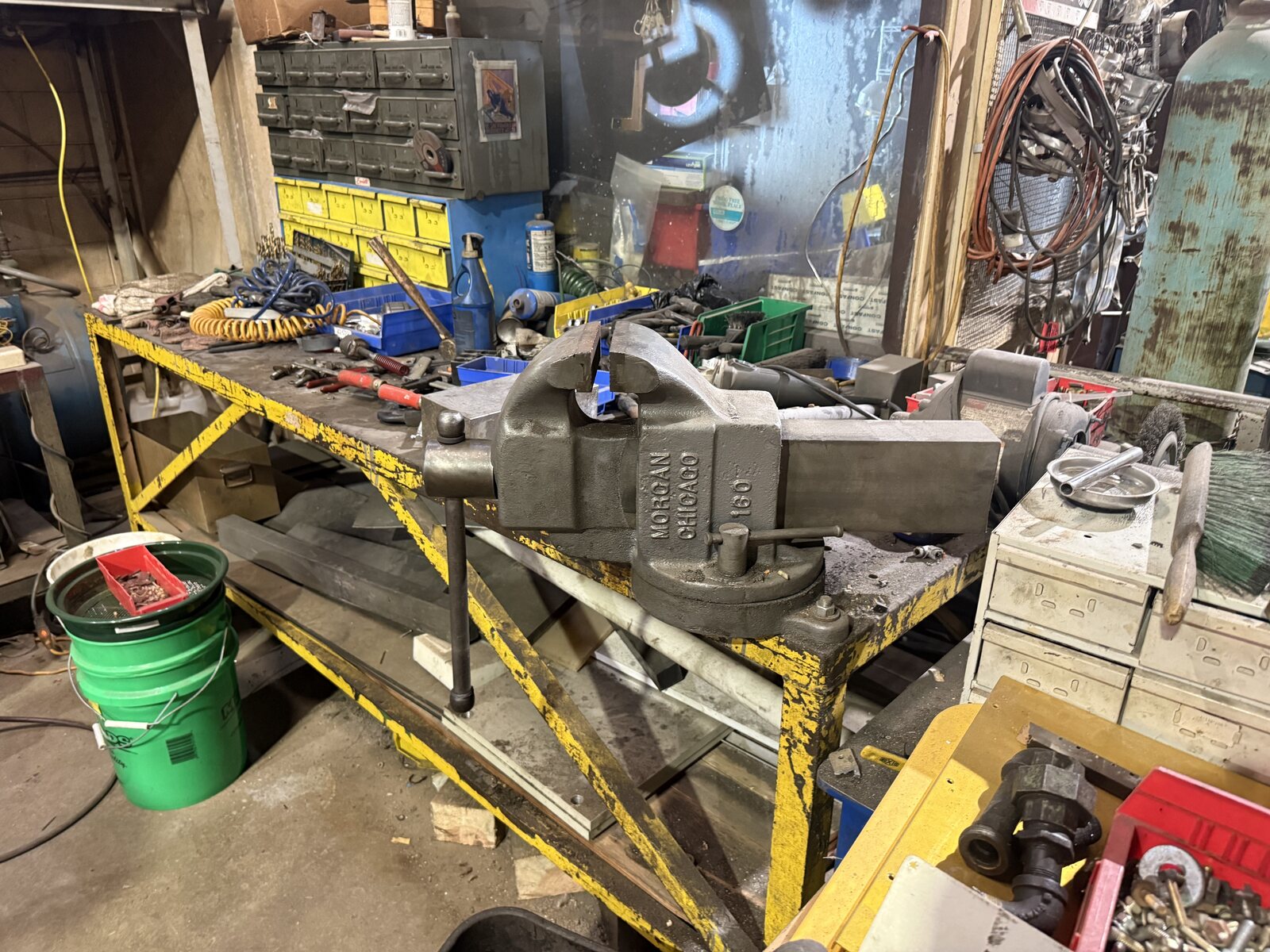
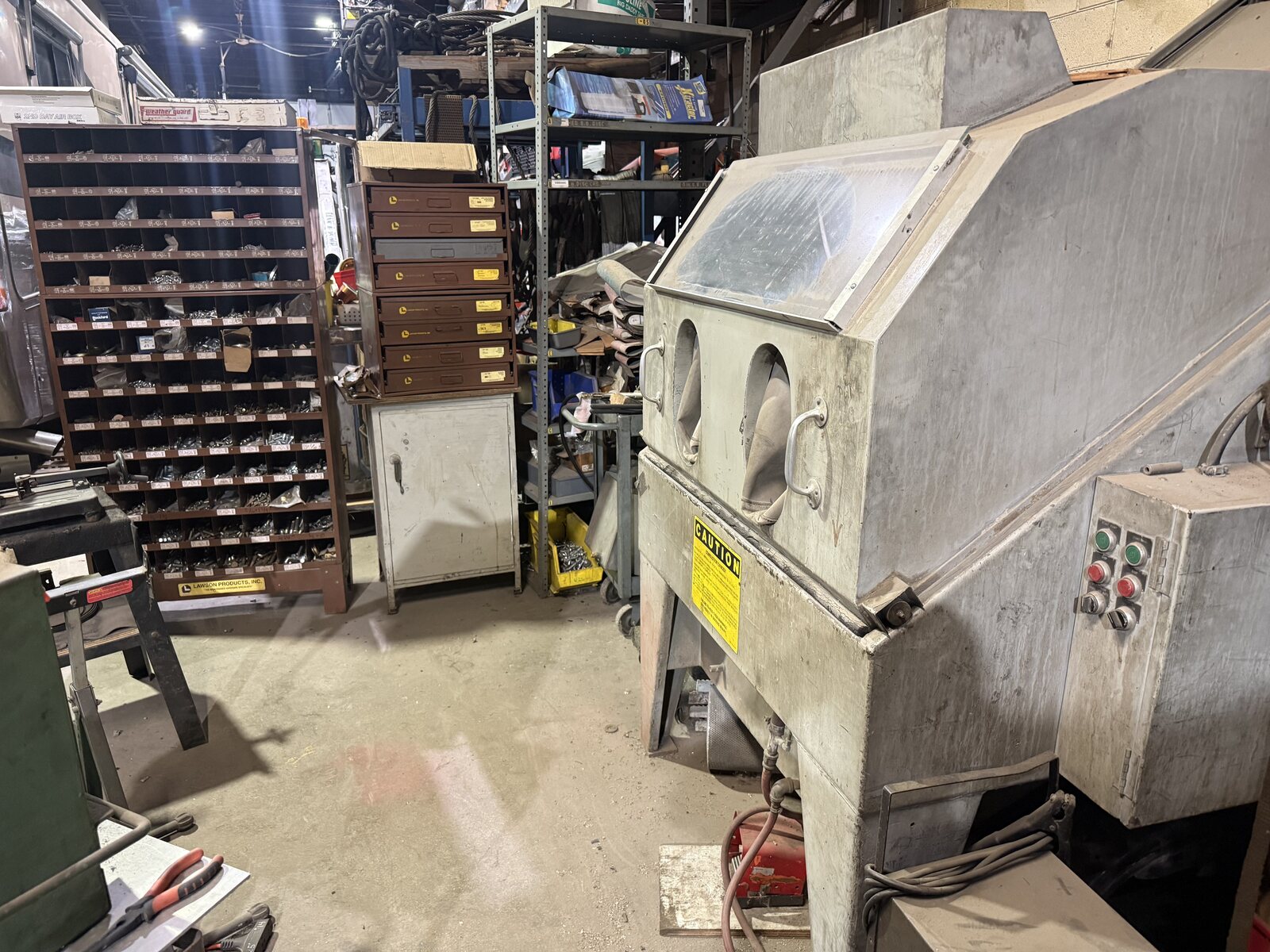
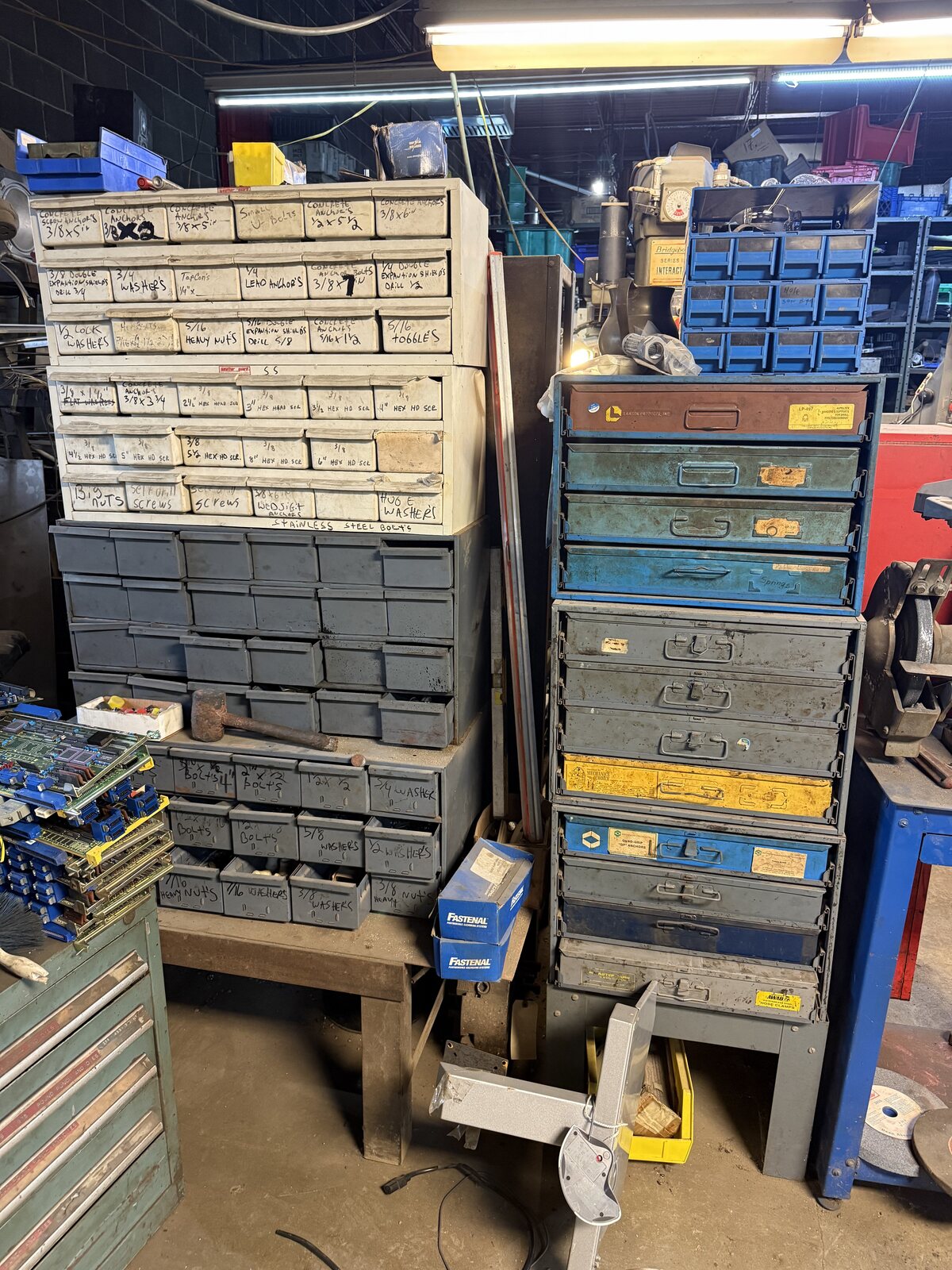
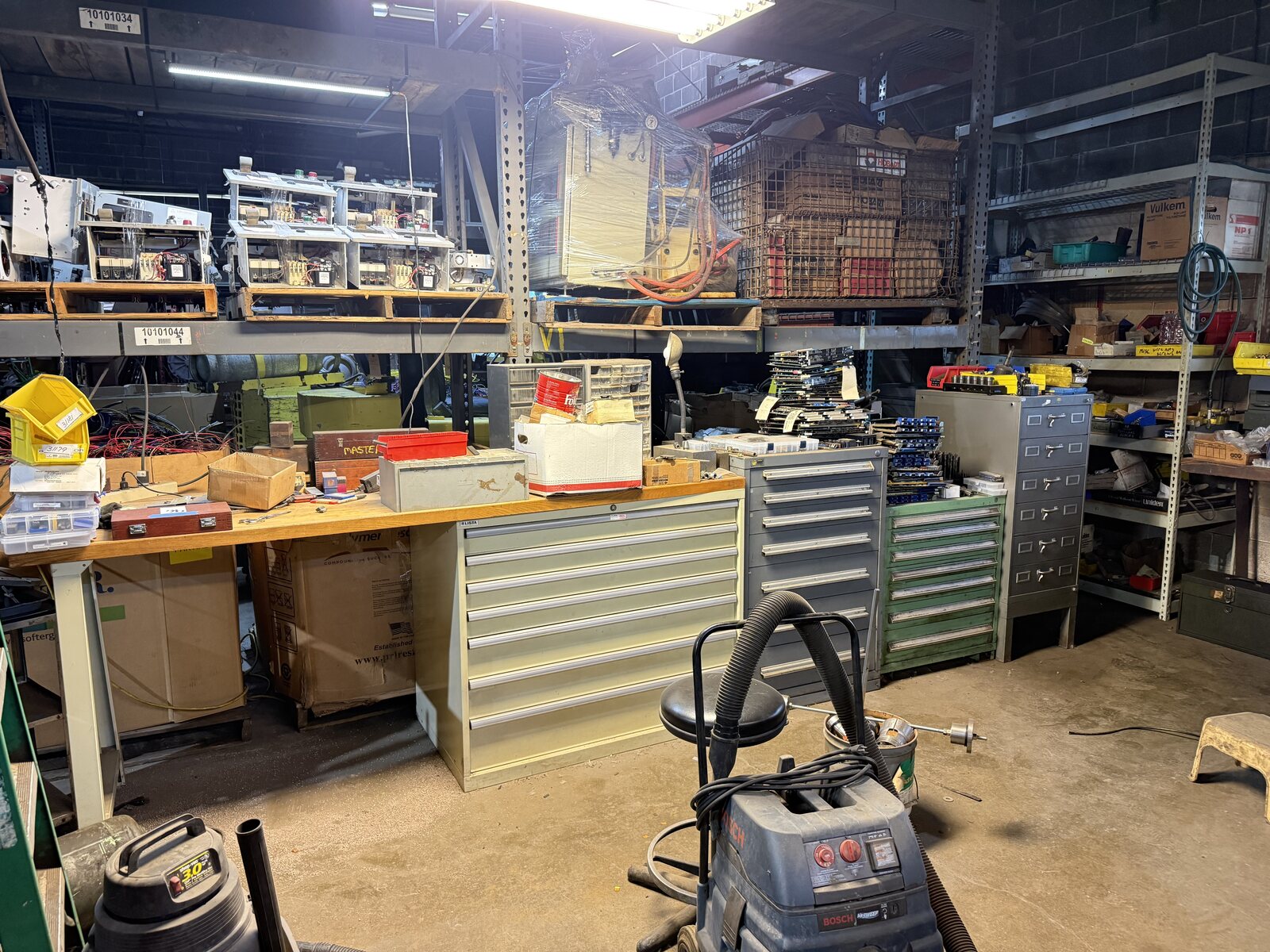
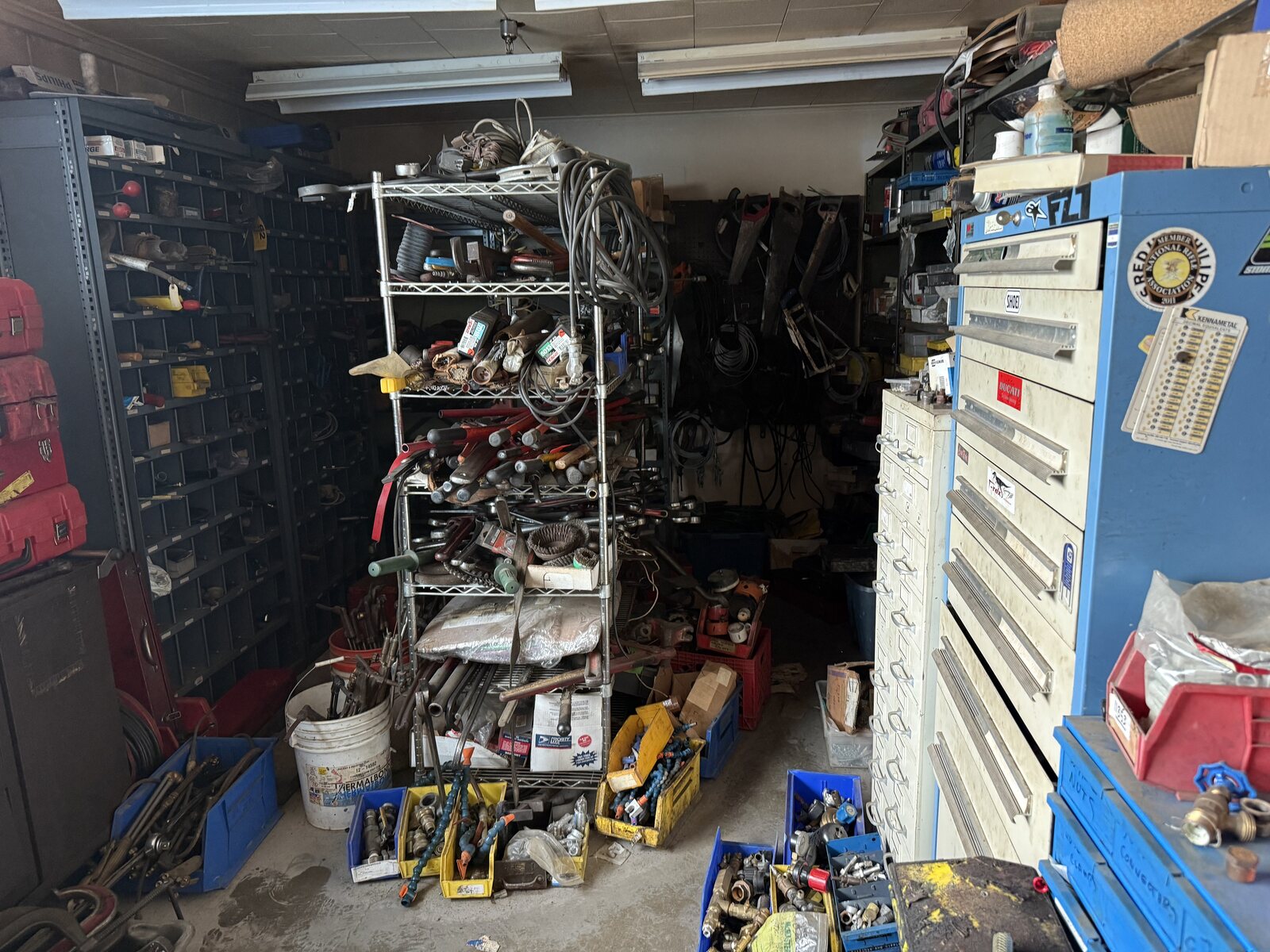
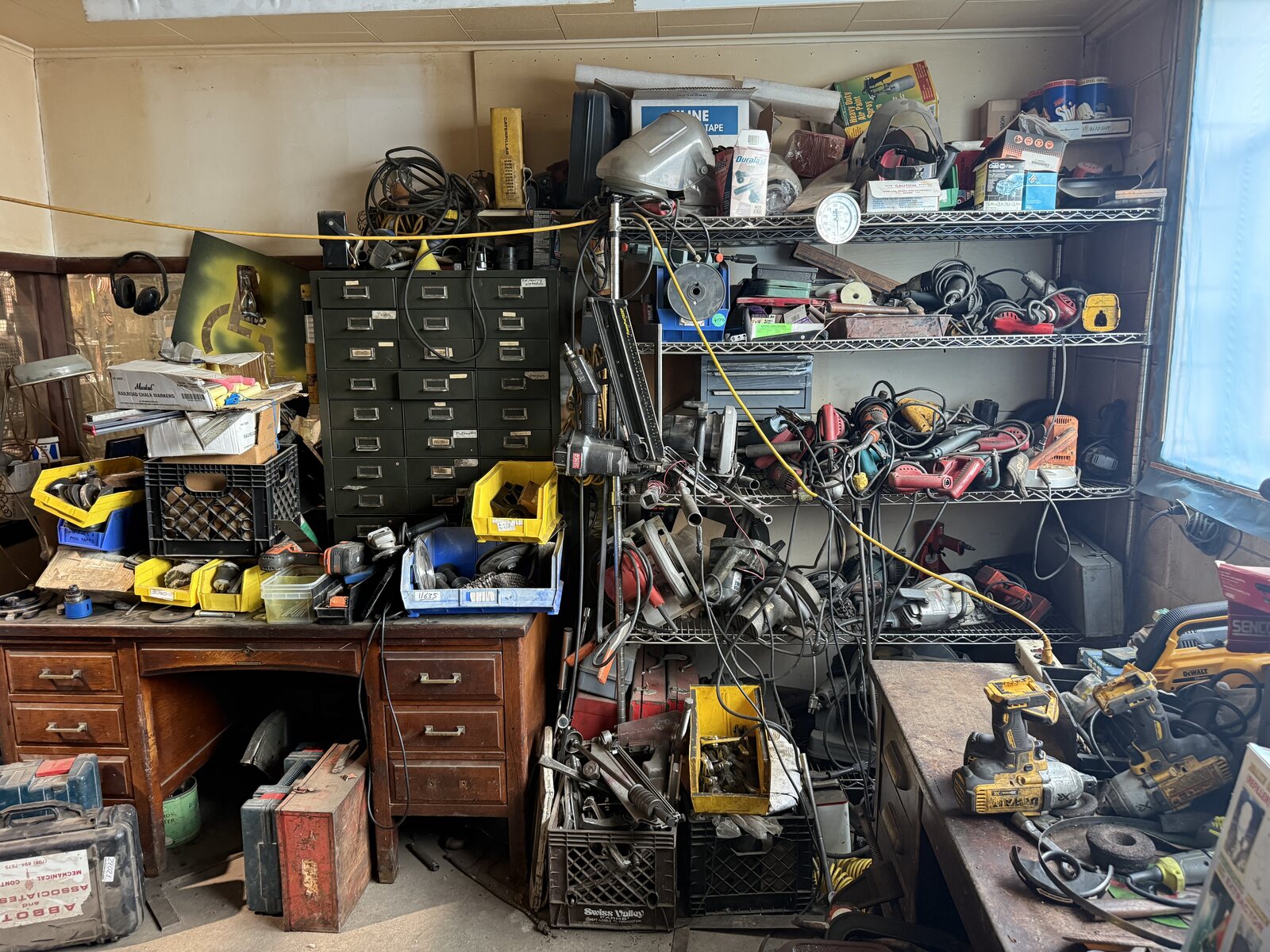
The items below is what is properly called "machine shop" and we have all we need:
Cutting
Machining
Pressing and fitting
Stock and tools
The story of one repair
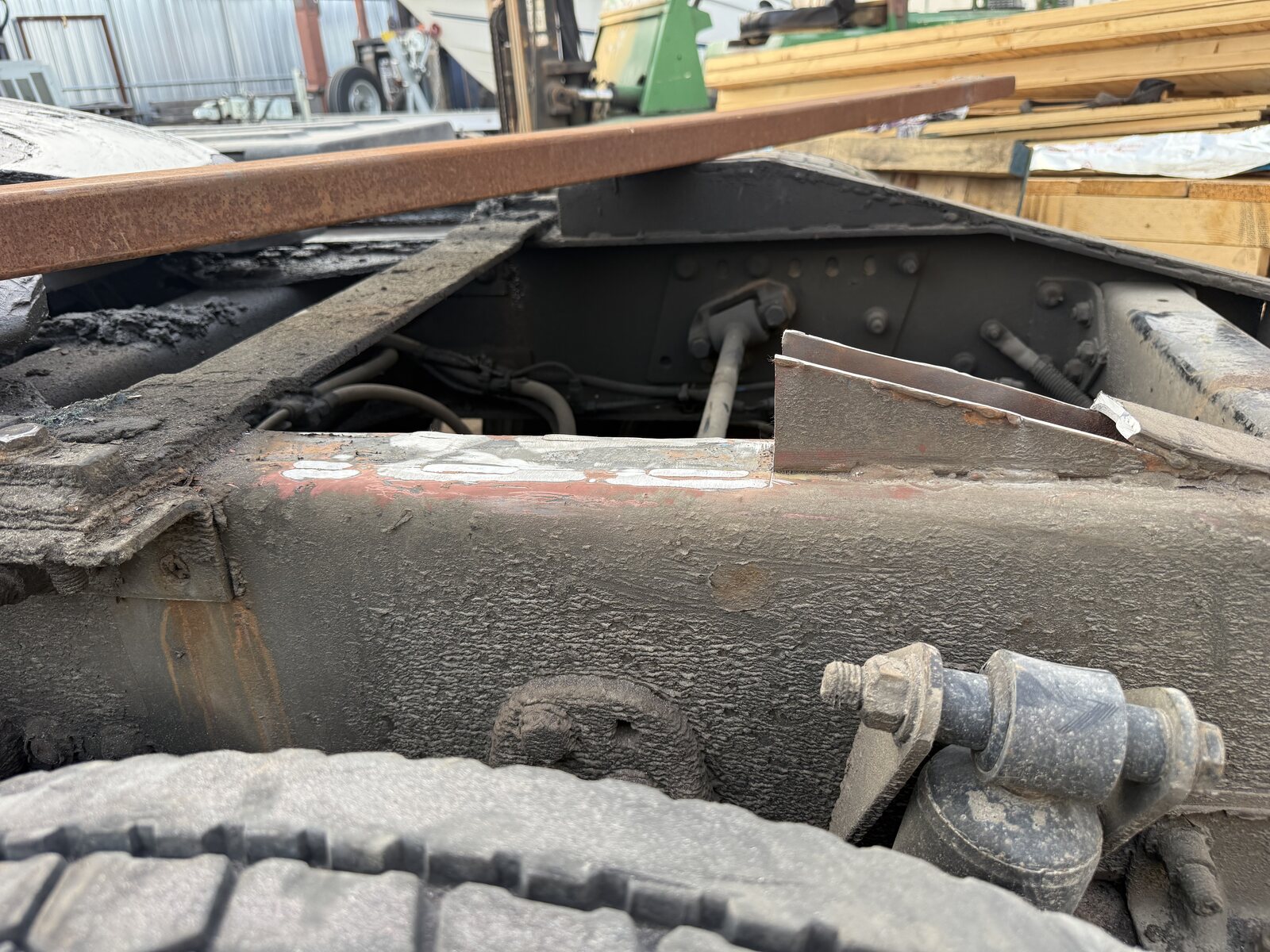
One of the two ramps that the RGN gooseneck rollers ride on broke on one of our semi trucks. We are fixing it in our own shop right now. The rest of this story, with the finished repair, will be here when it is done.
The question to ask
Ask your rigger, "Do you have a machine shop"? Can he weld something to his own semi trailer today? Can he make you a 2' tall 8x10' wide stand from 5" square tubing and I-beams tomorrow? Does he need to wait for days for a mechanic to replace U-joints in his semi truck?
Call or text Igor: (630) 235-6603.